UC Irvine’s Eddleman Quantum Institute (EQI) Sponsors Successful Summer School on Rare-Earth Metal and Quantum Science
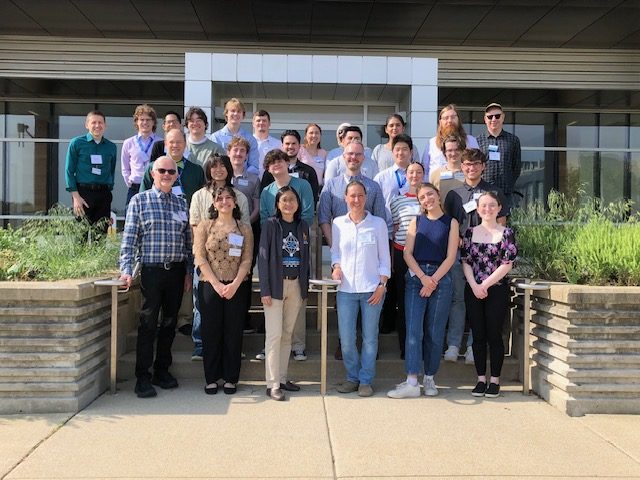
Eighteen undergraduate students participated in educational programs at the prestigious Argonne National Laboratory
The Eddleman Quantum Institue (EQI) at the University of California, Irvine successfully sponsored a Summer School on Rare-Earth Metal and Quantum Science at the 30th Rare Earth Research Conference (RERC) held at Argonne National Laboratory in Lemont, Illinois, from June 14-15, 2025.
The innovative educational program was designed with a clear mission: to increase interest in rare-earth metal and quantum science among undergraduate students planning to pursue graduate studies. The initiative represents UC Irvine’s commitment to fostering the next generation of scientists in these critical research areas.
The program was jointly directed by Professor Jerome Robinson of Brown University and Professor Bill Evans of UC Irvine, bringing together expertise from two leading research institutions to mentor the selected participants.
Following a competitive application process, eighteen rising seniors from Midwest schools were selected to participate in this prestigious program. The students received comprehensive instruction from distinguished faculty representing a diverse array of institutions, including Brown University, Georgetown University, Purdue University, Baylor University, Wayne State University, UC Irvine, and the Universities of Manchester and Connecticut.
The program’s structure provided students with an intensive educational experience. After completing a day and a half of specialized lectures, participants were granted access to attend the full RERC conference from June 15-19, where they were exposed to the latest developments and cutting-edge research in rare-earth metal and quantum science.
“The enthusiasm level of the students was remarkably high,” organizers noted. The undergraduate participants actively engaged with the conference proceedings, asking thoughtful questions and demonstrating genuine interest in the scientific presentations. This level of engagement highlighted the program’s success in achieving its educational objectives.
Students were accommodated at the ANL Guest House, where they had opportunities to network and build relationships with their peers. The residential component of the program appeared to foster strong bonds among the participants, creating a collaborative learning environment that extended beyond the formal academic sessions.